
The remarkable Unfinished Obelisk offers a rare and fascinating glimpse into the engineering brilliance of ancient Egypt. Located in the northern quarries of Aswan, this massive monument was never completed, yet it remains one of the most important archaeological sites for understanding how the ancient Egyptians carved and transported their colossal stone structures.
Had it been finished, the Unfinished Obelisk would have been the largest ever erected, standing at an estimated height of around 42 meters and weighing over 1,000 tons. Its sheer scale is almost difficult to comprehend, even today. Unlike other obelisks that were successfully transported and raised in temples across Egypt, this one remains attached to the bedrock, frozen in time at the very moment its creation was abandoned.
The obelisk is believed to have been commissioned during the reign of Hatshepsut, one of Egypt’s most powerful and visionary rulers. It was intended to be placed at the temple of Karnak, where many other obelisks were erected as symbols of divine power and connection to the sun god Ra.
What makes this site truly unique is the opportunity to observe the ancient stone-working techniques up close. Visitors can clearly see the marks left by dolerite pounding stones, which were used to carve the granite from the quarry. These tool marks reveal the immense effort and precision required to shape such a massive structure using relatively simple tools.
The reason the obelisk was abandoned is equally fascinating. A large crack developed in the stone during the carving process, rendering it unusable. Rather than attempting to repair it, the ancient workers left it in place, providing modern historians with a perfectly preserved example of a project interrupted.
Walking around the Unfinished Obelisk allows visitors to appreciate the scale of ambition that defined ancient Egyptian architecture. It also highlights the challenges and risks involved in working with such enormous blocks of stone. This site is not just about what was built, but also about what could have been.
In addition to its historical importance, the Unfinished Obelisk offers a deeper understanding of how obelisks were created. From quarrying and shaping to transportation along the Nile and final erection at temple sites, this process required extraordinary planning, manpower, and skill.
For travelers exploring Aswan tours or Aswan guided tours, this site is an essential stop. It complements visits to temples like Philae and Abu Simbel by revealing the hidden craftsmanship behind Egypt’s most iconic monuments.
The Unfinished Obelisk stands as a silent testament to ambition, precision, and the realities of ancient construction. It reminds us that even in a civilization known for perfection, not every masterpiece reached completion. Yet, in its unfinished state, it tells a story just as powerful as those that were completed.
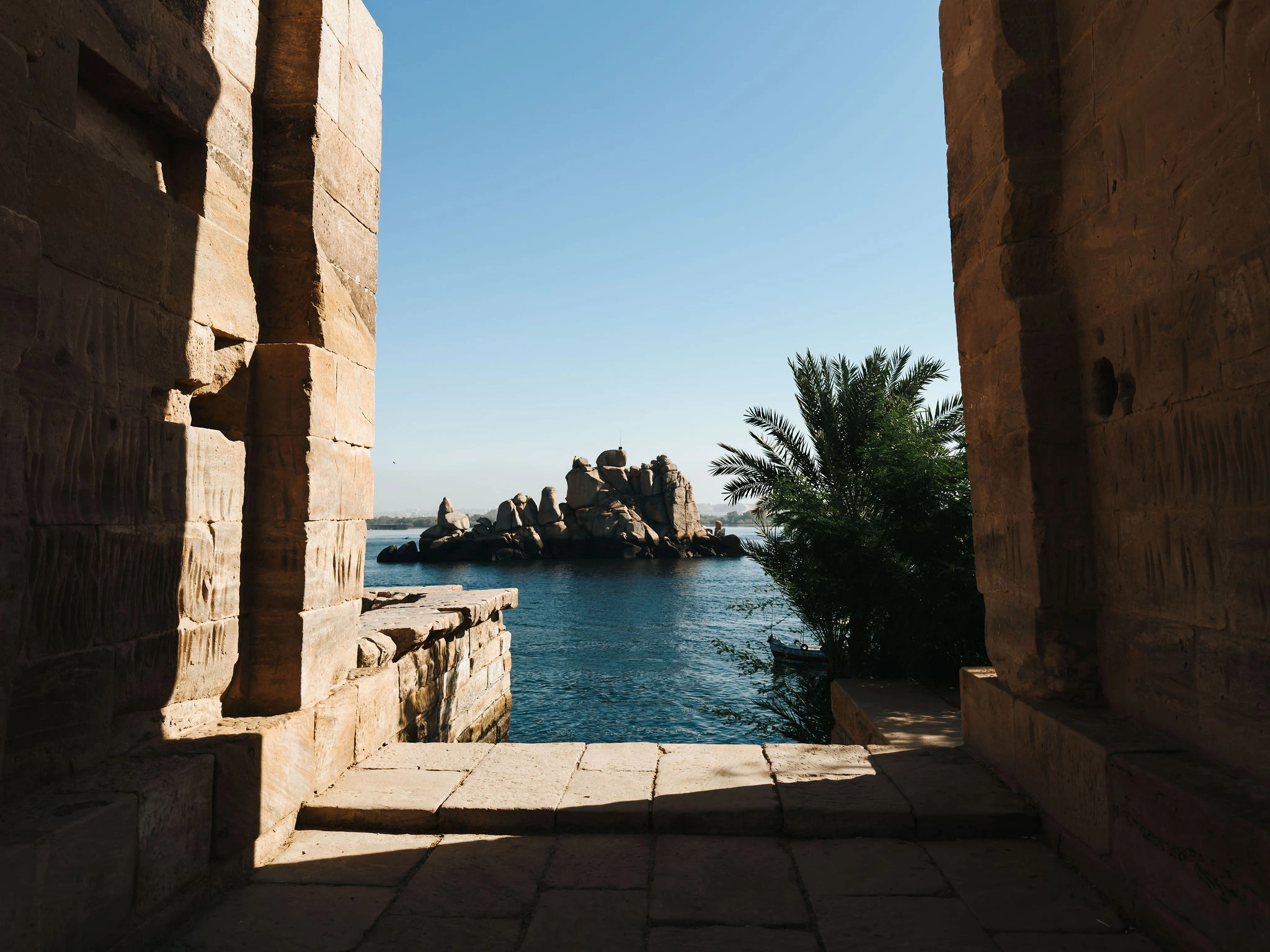
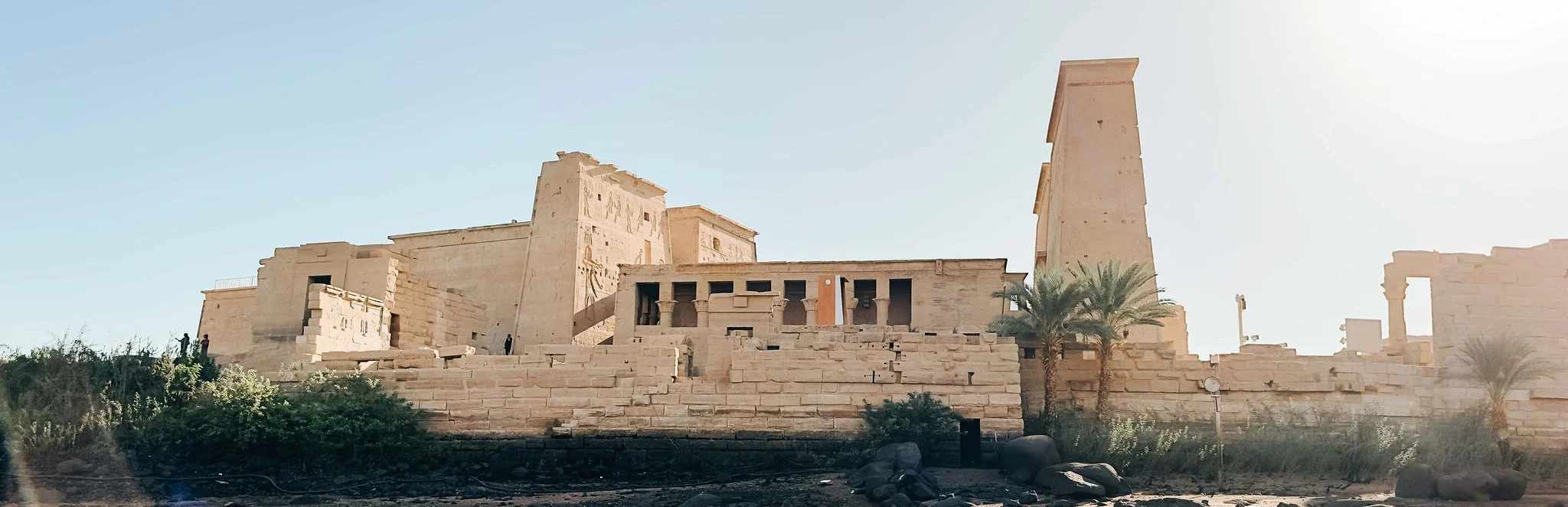
The enchanting Philae Temple is one of Egypt’s most magical and spiritually significant sites. Located near Aswan on Agilkia Island, this temple complex is dedicated to the goddess Isis, one of the most important deities in ancient Egyptian mythology. Surrounded by the tranquil waters of the Nile, Philae offers visitors a unique combination of history, beauty, and peaceful atmosphere that sets it apart from other ancient monuments.
Originally, the temple stood on Philae Island, but due to rising water levels following the construction of the Aswan High Dam, the entire complex was carefully relocated stone by stone to its current location. This incredible UNESCO-led rescue operation preserved the temple for future generations, making it not only a symbol of ancient devotion but also a triumph of modern engineering.
Philae Temple was built during the Ptolemaic period and later expanded by Roman rulers. Despite these later additions, the temple remains deeply rooted in traditional Egyptian religious beliefs. It became the center of the cult of Isis, attracting pilgrims from across Egypt and beyond. Even after the spread of Christianity, worship at Philae continued longer than at most other temples, making it one of the last strongholds of ancient Egyptian religion.
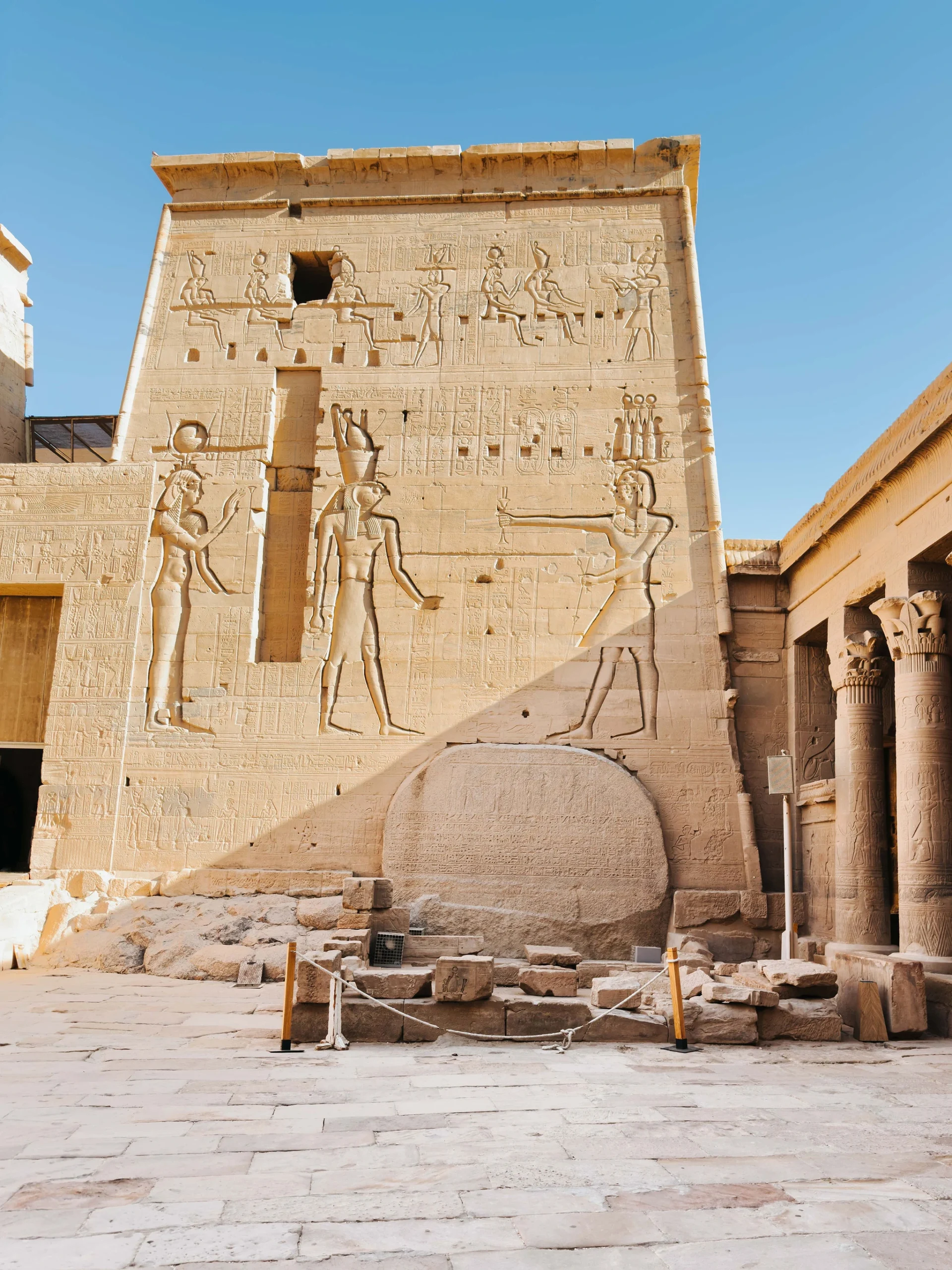
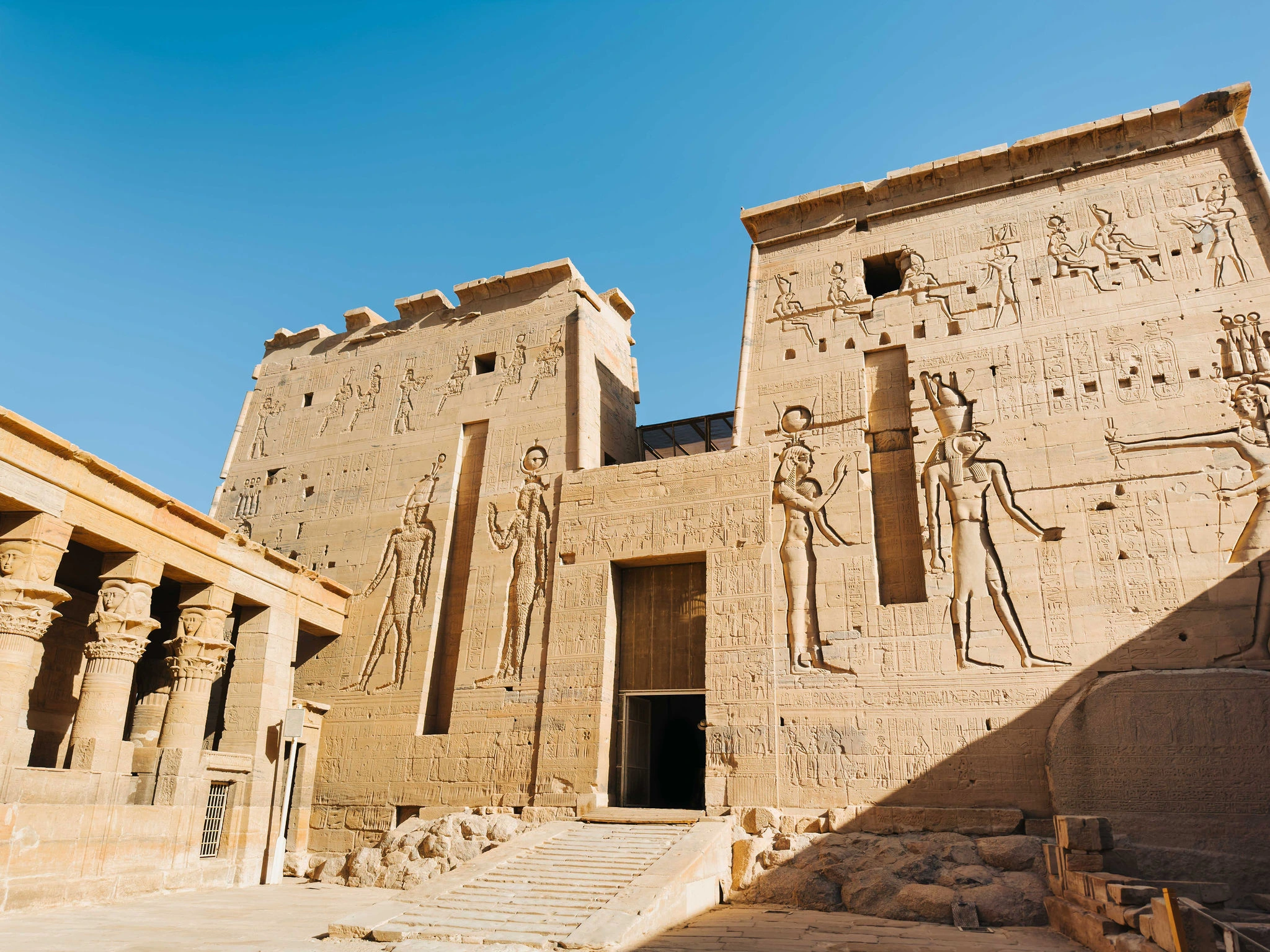
As visitors approach the island by boat, the first sight of the temple rising from the water feels almost cinematic. Tall pylons, elegant colonnades, and beautifully preserved reliefs create an atmosphere that is both grand and intimate. The entrance pylon is decorated with scenes of pharaohs making offerings to the gods, reinforcing the sacred purpose of the temple.
Inside, the temple reveals a series of courtyards, halls, and sanctuaries, each richly decorated with carvings that tell stories of gods, rituals, and mythological events. The walls depict Isis, Osiris, and Horus, central figures in Egyptian mythology, illustrating themes of death, resurrection, and eternal life.
One of the most fascinating aspects of Philae Temple is its connection to the myth of Isis and Osiris. According to legend, Isis reassembled the body of Osiris after his death, bringing him back to life and ensuring the continuation of the divine lineage through their son Horus. This story made Philae a powerful spiritual center associated with healing, protection, and rebirth.
The temple complex also includes smaller structures such as the Temple of Hathor, charming kiosks, and gateways that add to its architectural richness. Every corner of the site offers something new to discover, whether it’s a hidden inscription, a detailed relief, or a perfectly framed view of the Nile.
Philae is particularly breathtaking at sunset, when the golden light reflects off the water and illuminates the temple’s stone surfaces. For an even more immersive experience, visitors can attend the sound and light show, where the history of the temple is brought to life through narration and visual effects.
For travelers planning Aswan tours or Aswan guided tours, Philae Temple is an essential destination. It combines mythology, history, and natural beauty in a way that few places in the world can match.
A visit to Philae is not just a sightseeing stop. It is a journey into the heart of ancient Egyptian spirituality, where the legacy of Isis continues to echo across the waters of the Nile.
Hidden in the golden silence of southern Egypt, the Abu Simbel Temple stands like a stone symphony dedicated to power, legacy, and divine ambition. Built during the reign of Ramesses II in the 13th century BC, this monumental complex was designed not just to impress, but to dominate the landscape and echo the greatness of Egypt’s New Kingdom.
The Great Temple itself rises approximately 98 feet (30 meters) high and stretches 115 feet (35 meters) in length. Guarding its entrance are four colossal statues of Ramesses II, each towering at around 65 feet (20 meters). These seated figures, carved directly into the rock, portray the pharaoh in a state of eternal authority, gazing across the desert as if still ruling over his lands.
At the feet of these giants, smaller yet still imposing statues depict Egypt’s conquered enemies, including the Nubians, Libyans, and Hittites. These figures symbolize not only military dominance but also the far-reaching influence of Ramesses II’s reign. Surrounding them are detailed carvings of royal family members and protective deities, forming a visual narrative of power, protection, and divine right.
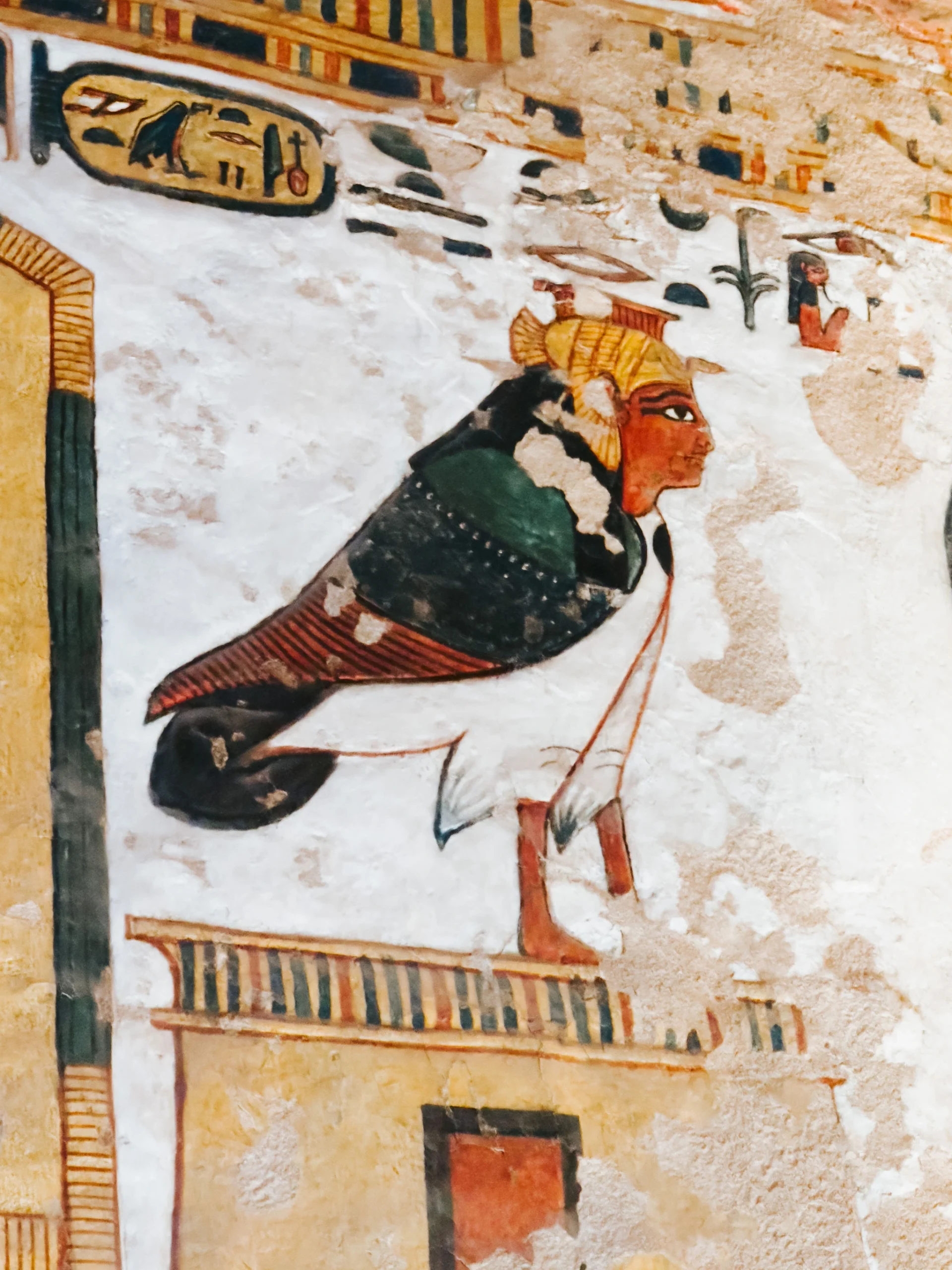
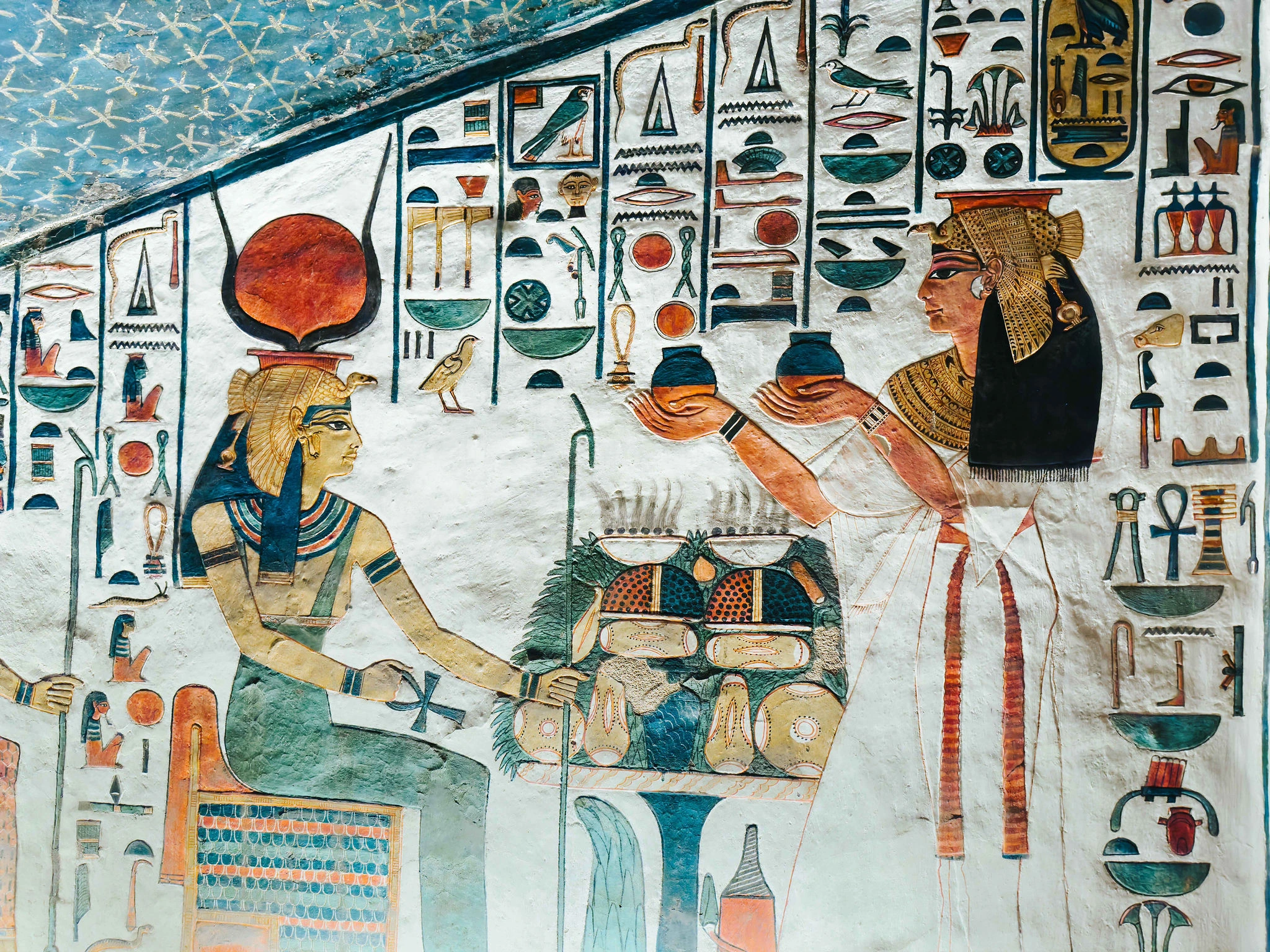
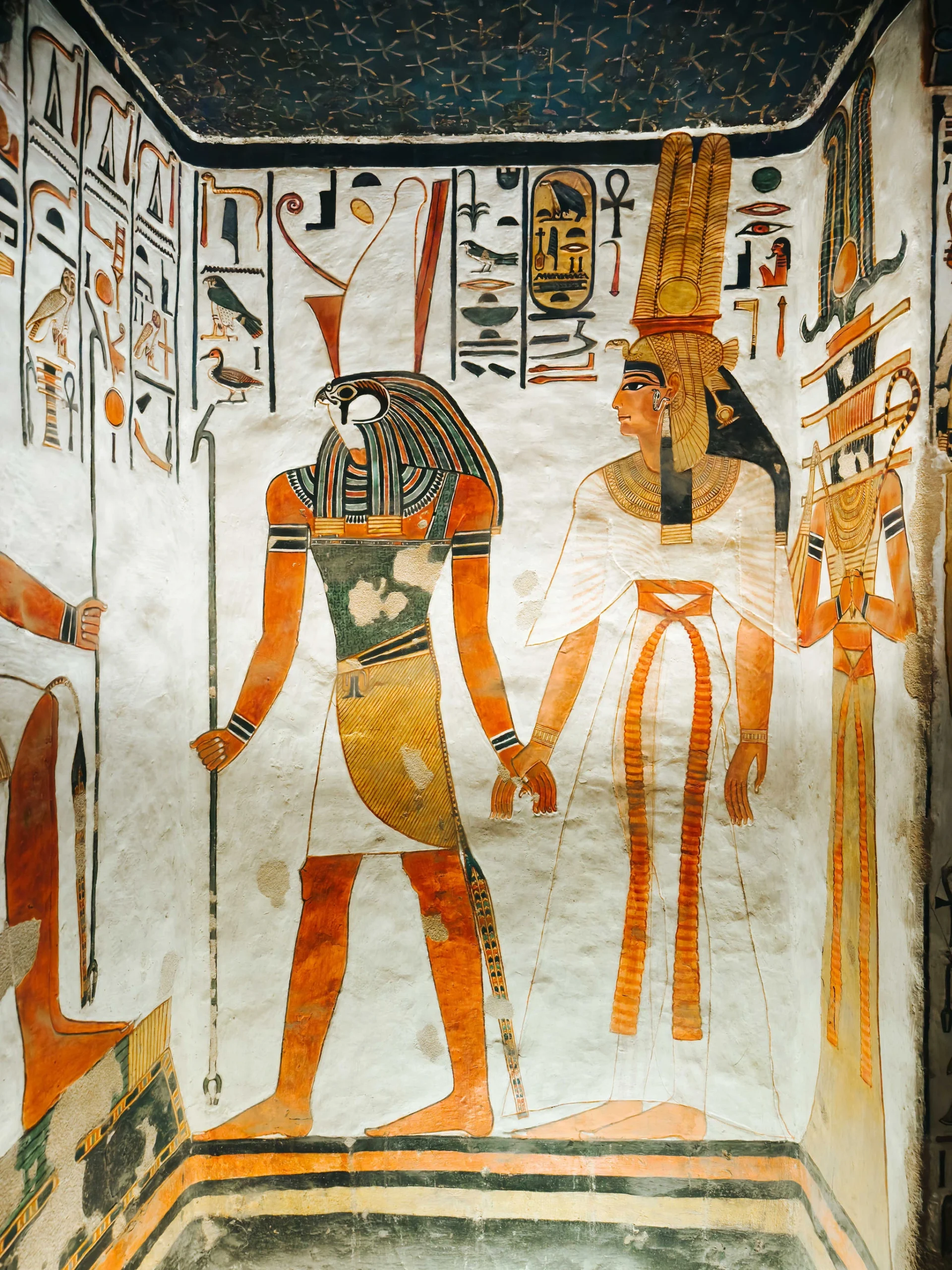
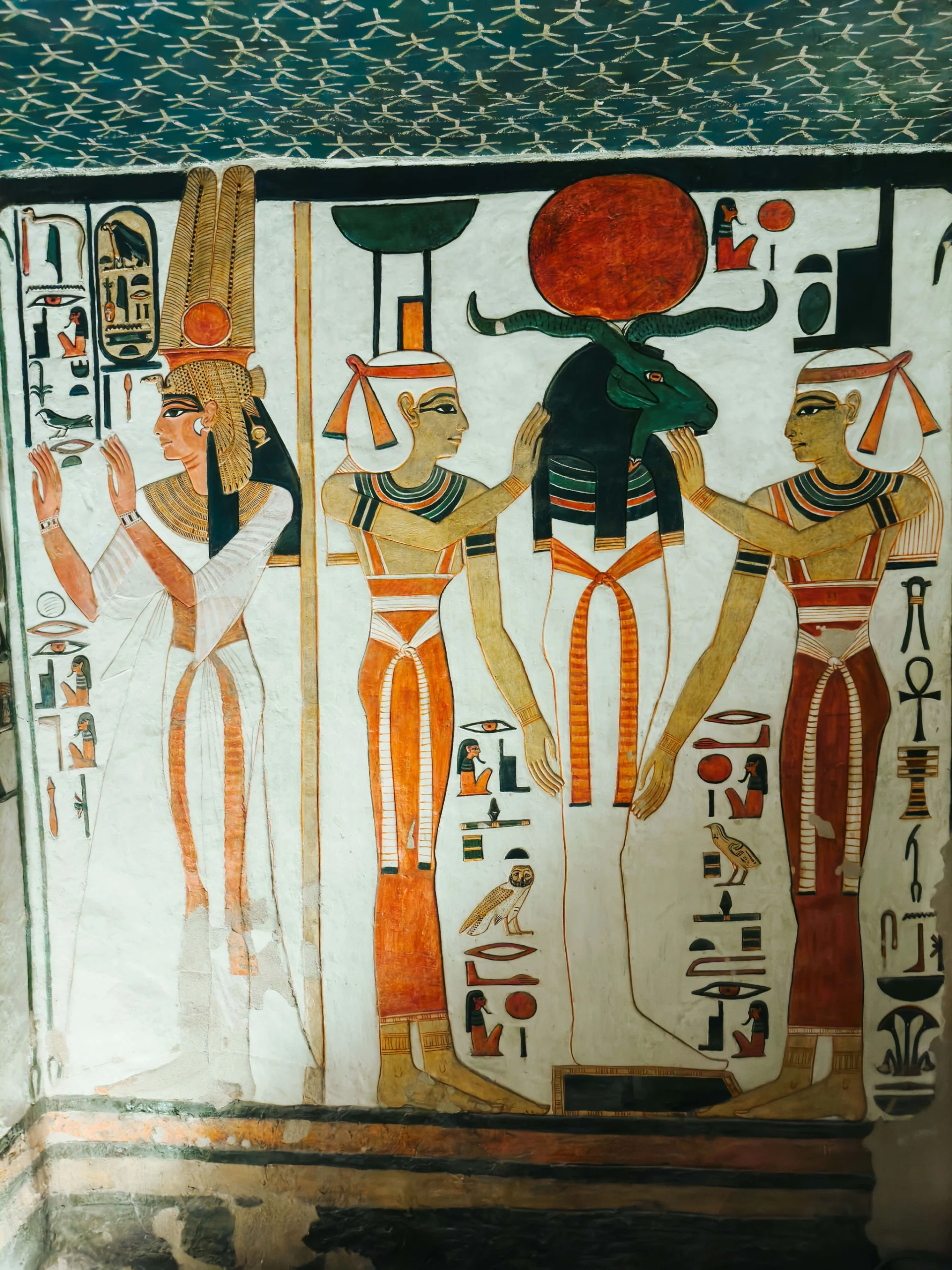
Step between the colossal guardians, and the temple reveals its inner world. The interior is richly decorated with intricate engravings and reliefs that illustrate scenes of devotion and victory. Here, Ramesses II and his beloved queen Nefertari are shown offering homage to the gods, reinforcing their sacred connection to the divine.
One of the temple’s most fascinating features is its precise alignment with the sun. Twice a year, sunlight penetrates the temple’s inner sanctuary, illuminating statues deep within the rock, a testament to the advanced engineering and astronomical knowledge of ancient Egypt.
Today, Abu Simbel is not only a symbol of ancient grandeur but also a triumph of modern preservation. In the 1960s, the entire temple complex was carefully relocated to higher ground to protect it from flooding caused by the construction of the Aswan High Dam. This remarkable rescue effort ensured that the legacy of Ramesses II continues to inspire visitors from around the world.
Abu Simbel is more than a temple. It is a declaration carved in stone, where history, art, and ambition converge under the Egyptian sun.
The Karnak Temple is not just a temple. It is a vast open-air museum and one of the most extraordinary religious complexes ever constructed in human history. Located in Luxor, ancient Thebes, Karnak was developed over more than 2,000 years and dedicated primarily to the god Amun, along with Mut and Khonsu.
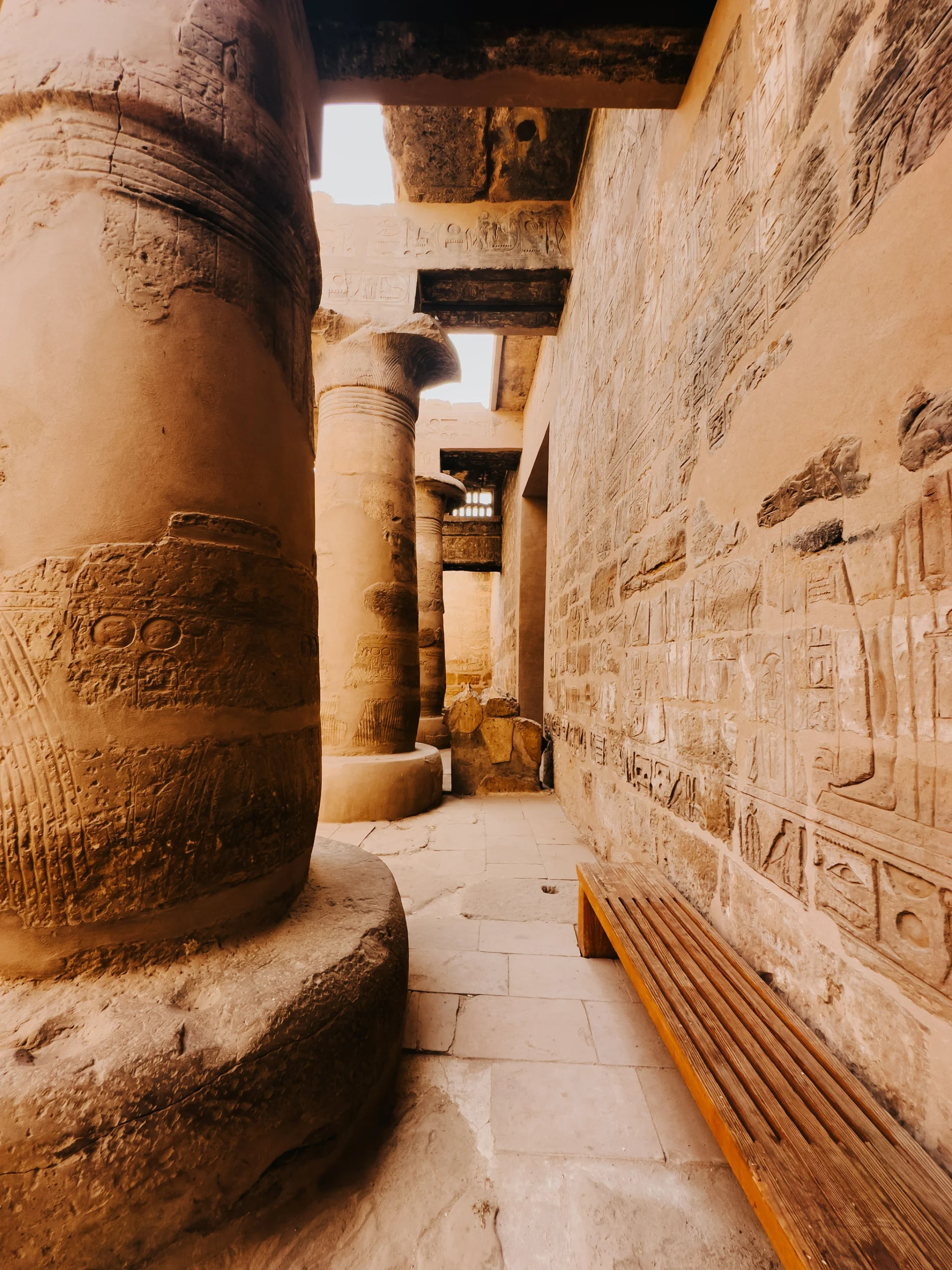
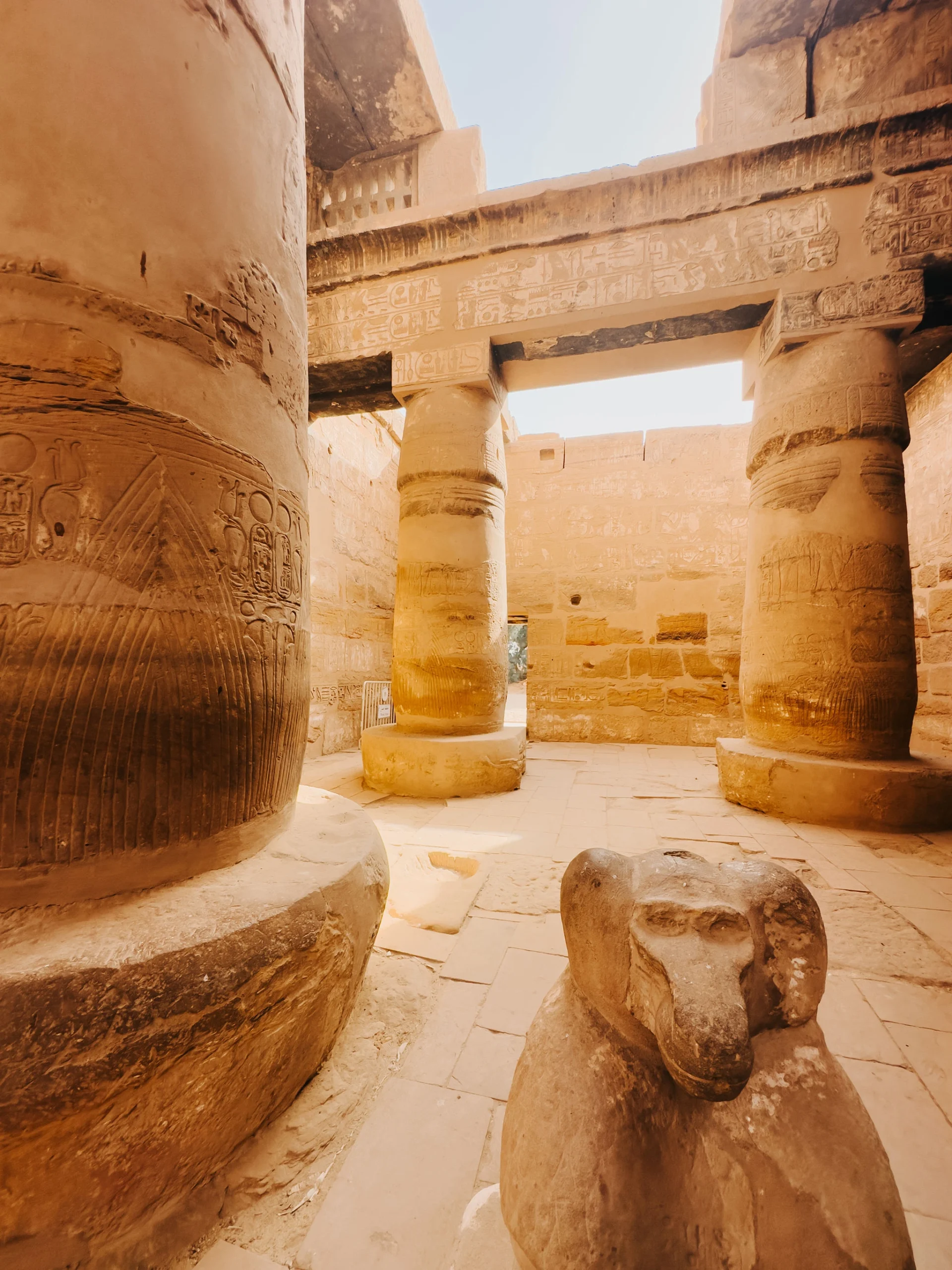
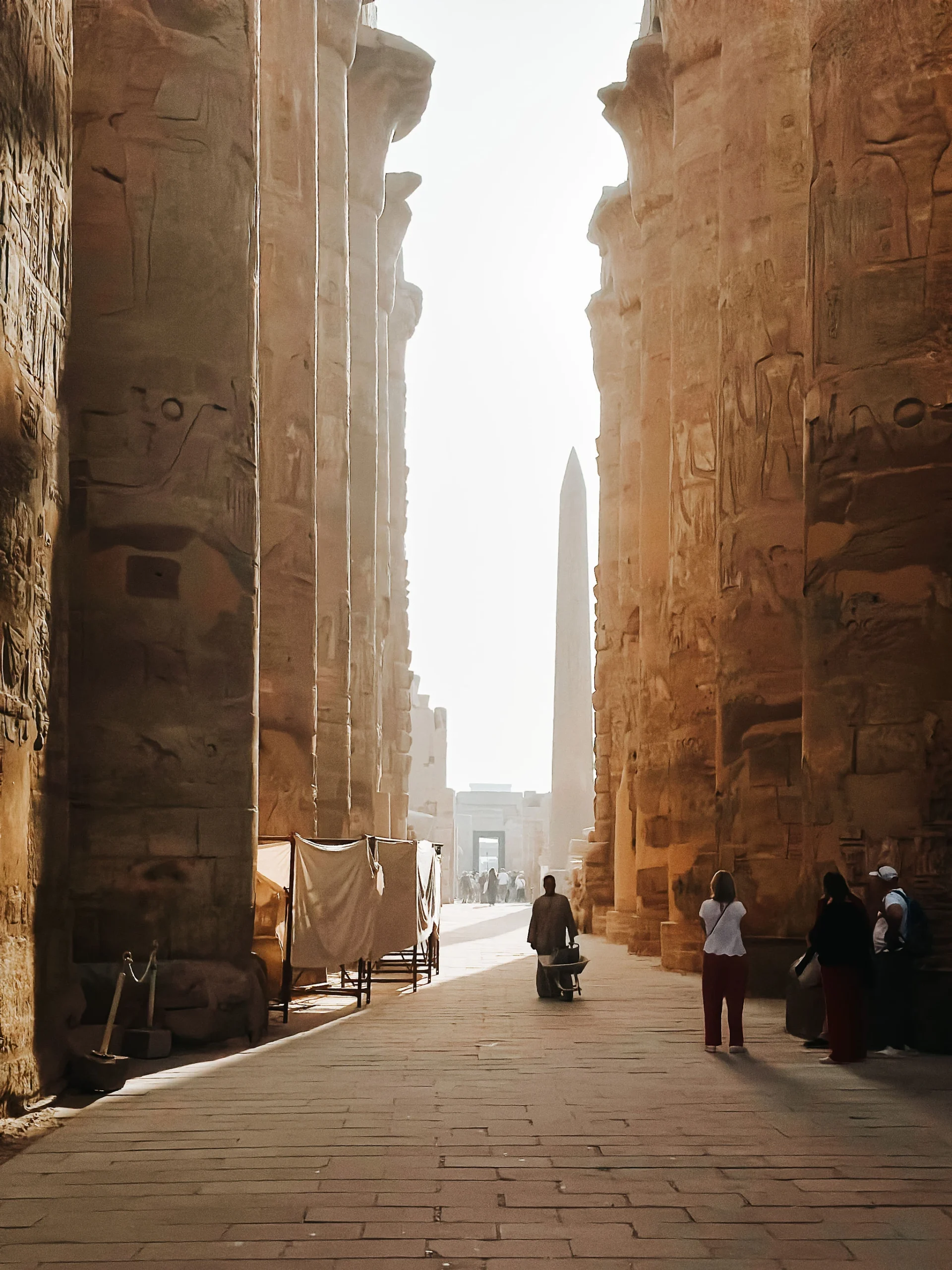
Visitors stepping into Karnak are immediately immersed in a monumental landscape of towering columns, massive pylons, sacred lakes, and obelisks that whisper stories of ancient Egypt’s power and devotion.
The most iconic feature is the Great Hypostyle Hall, a forest of 134 colossal columns, some reaching up to 21 meters high. Walking through this space feels like entering a stone cathedral where light filters through carved hieroglyphs, creating a mystical atmosphere that has captivated travelers for centuries.
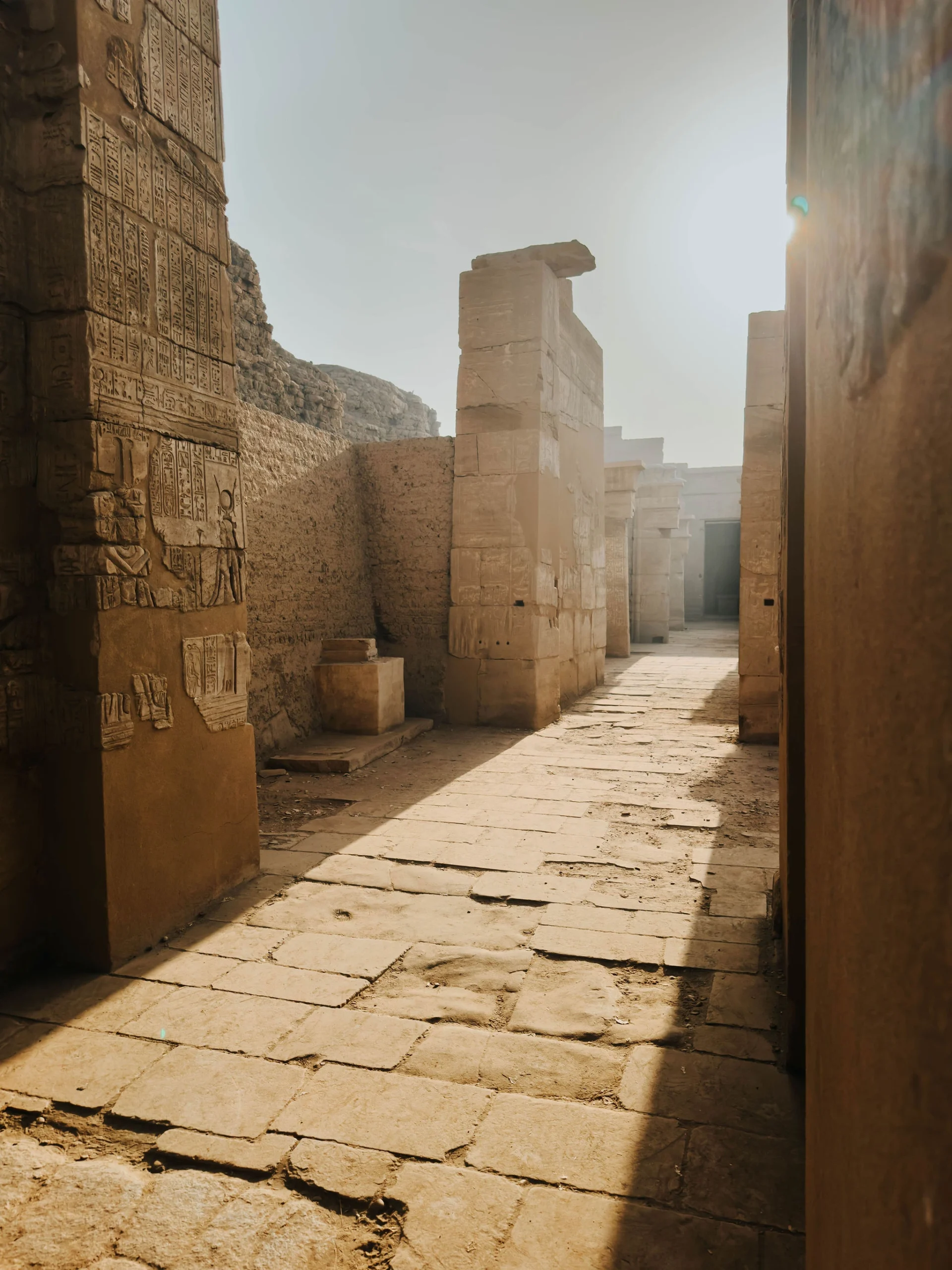
Karnak Temple was not built by a single ruler. Instead, it reflects the ambitions of many pharaohs, including Ramesses II, Hatshepsut, and Thutmose III. Each added new structures, leaving behind inscriptions that celebrate victories, religious rituals, and divine connections.
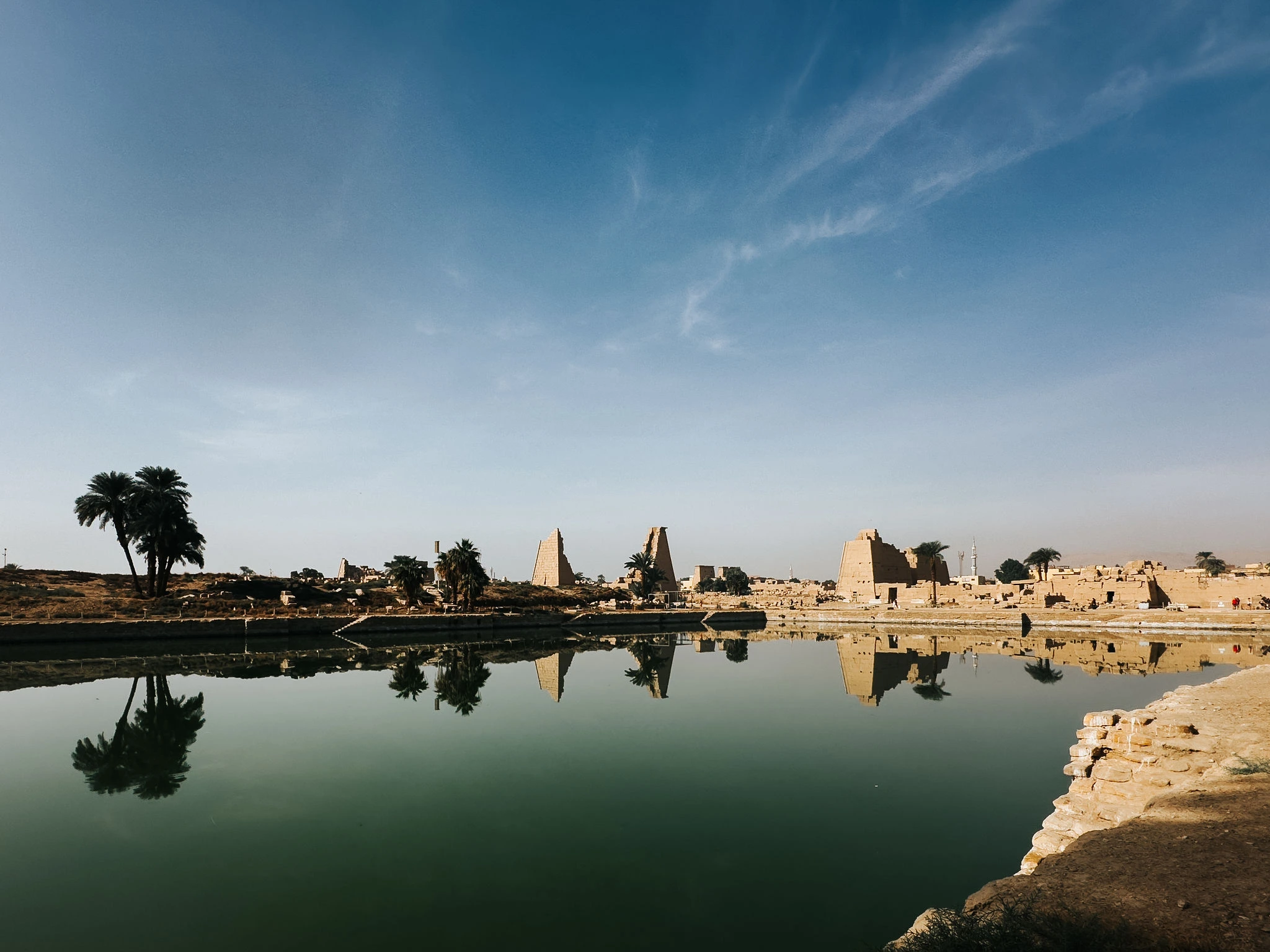
Among its highlights are the towering obelisks, especially the one erected by Hatshepsut, which remains one of the tallest surviving obelisks in Egypt. The Sacred Lake, used for purification rituals, offers a quieter moment within the otherwise overwhelming grandeur.
Karnak is also famous for its alignment with the Opet Festival, an ancient procession that connected Karnak with Luxor Temple via the Avenue of Sphinxes. This ceremonial route symbolizes the deep spiritual significance of the site.
Today, Karnak Temple is a must-visit destination for anyone exploring Luxor. Whether you visit during the day or experience the magical sound and light show at night, the temple reveals different layers of its ancient soul.
For travelers seeking Luxor guided tours, Karnak Temple stands as the ultimate introduction to the scale, ambition, and spiritual depth of ancient Egyptian civilization.
Hidden within the rugged cliffs of Luxor lies the legendary Valley of the Kings, the royal burial ground of Egypt’s most powerful pharaohs. This sacred valley served as the final resting place for rulers of the New Kingdom, including the famous Tutankhamun and Ramesses II.
Unlike the pyramids, which were visible symbols of power, the tombs here were hidden deep within the desert hills to protect them from looters. Each tomb is a masterpiece of engineering and artistry, carved into rock and decorated with vibrant paintings that depict the journey to the afterlife.
The tomb of Tutankhamun remains one of the most famous archaeological discoveries in history, thanks to its relatively intact treasures. However, many other tombs in the valley are equally impressive, featuring elaborate corridors, chambers, and ceilings covered with celestial scenes.
Inside these tombs, visitors can witness detailed depictions of ancient Egyptian beliefs about death, rebirth, and eternity. Hieroglyphs and paintings illustrate passages from sacred texts like the Book of the Dead, guiding the pharaoh through the underworld.
The Valley of the Kings offers an unforgettable experience for travelers interested in history, archaeology, and ancient mysteries. Walking through these tombs feels like stepping into another world, where time has been carefully preserved in color and stone.
For those planning Luxor tours, this site is essential. It reveals not only the grandeur of Egypt’s rulers but also their deep spiritual beliefs and desire for immortality.
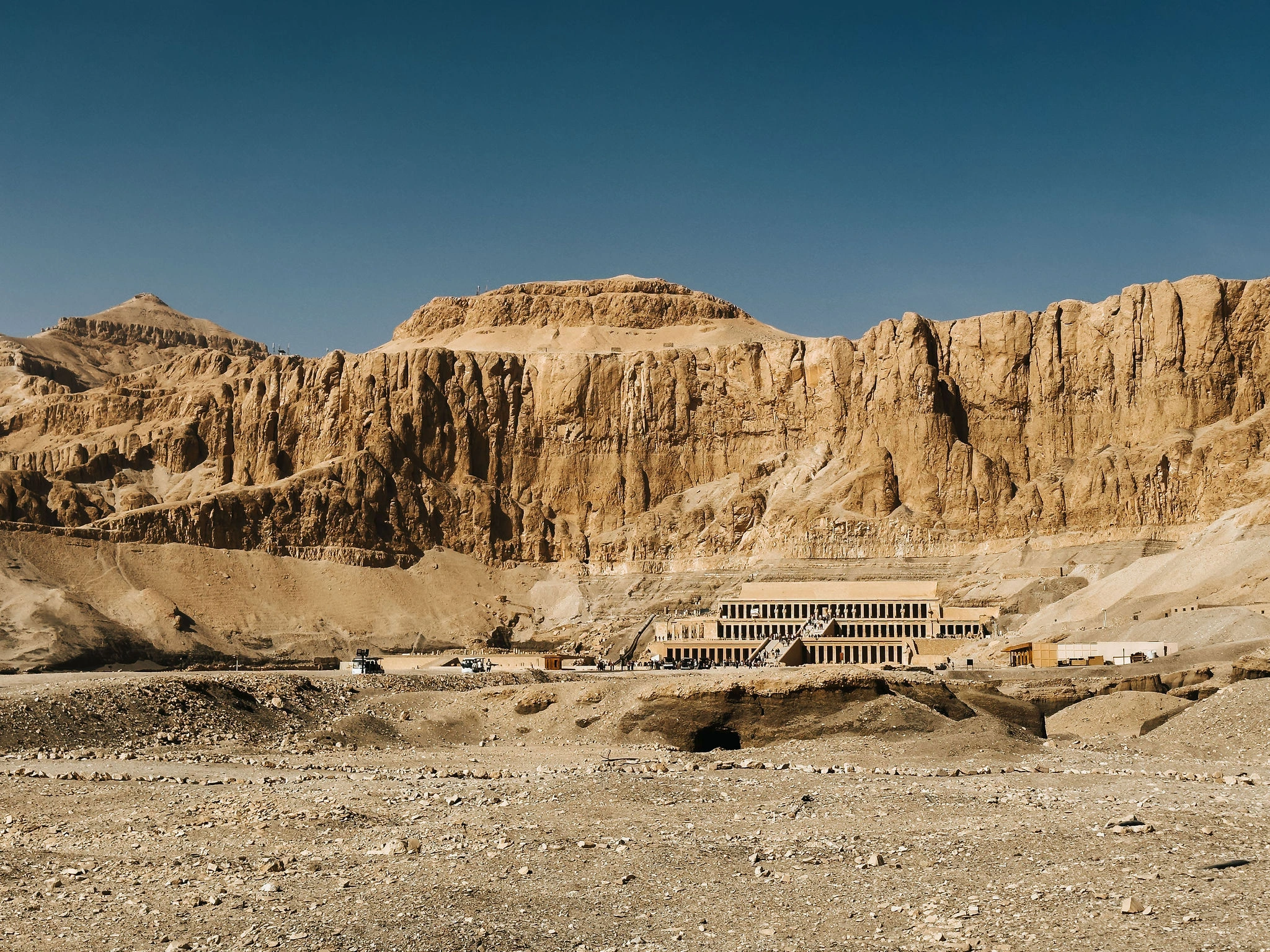
The stunning Temple of Hatshepsut rises gracefully from the desert floor, blending seamlessly with the towering limestone cliffs behind it. This architectural masterpiece is dedicated to one of Egypt’s most remarkable rulers, Queen Hatshepsut.
Unlike traditional Egyptian temples, Hatshepsut’s temple features a series of terraces connected by ramps, creating a harmonious and symmetrical design that feels both powerful and refined.
The walls of the temple are adorned with detailed reliefs that tell the story of Hatshepsut’s reign, including her famous expedition to the Land of Punt, a trading mission that brought wealth and exotic goods to Egypt.
Statues of the queen, often depicted in male pharaoh form, emphasize her authority and divine right to rule. This unique blend of femininity and power makes the temple one of the most fascinating sites in Egypt.
Visitors exploring this site will appreciate not only its beauty but also its historical significance. It represents a period of prosperity, innovation, and strong leadership.
A visit to the Temple of Hatshepsut is a highlight of any Luxor guided tour, offering a different perspective on ancient Egyptian architecture and royal legacy.
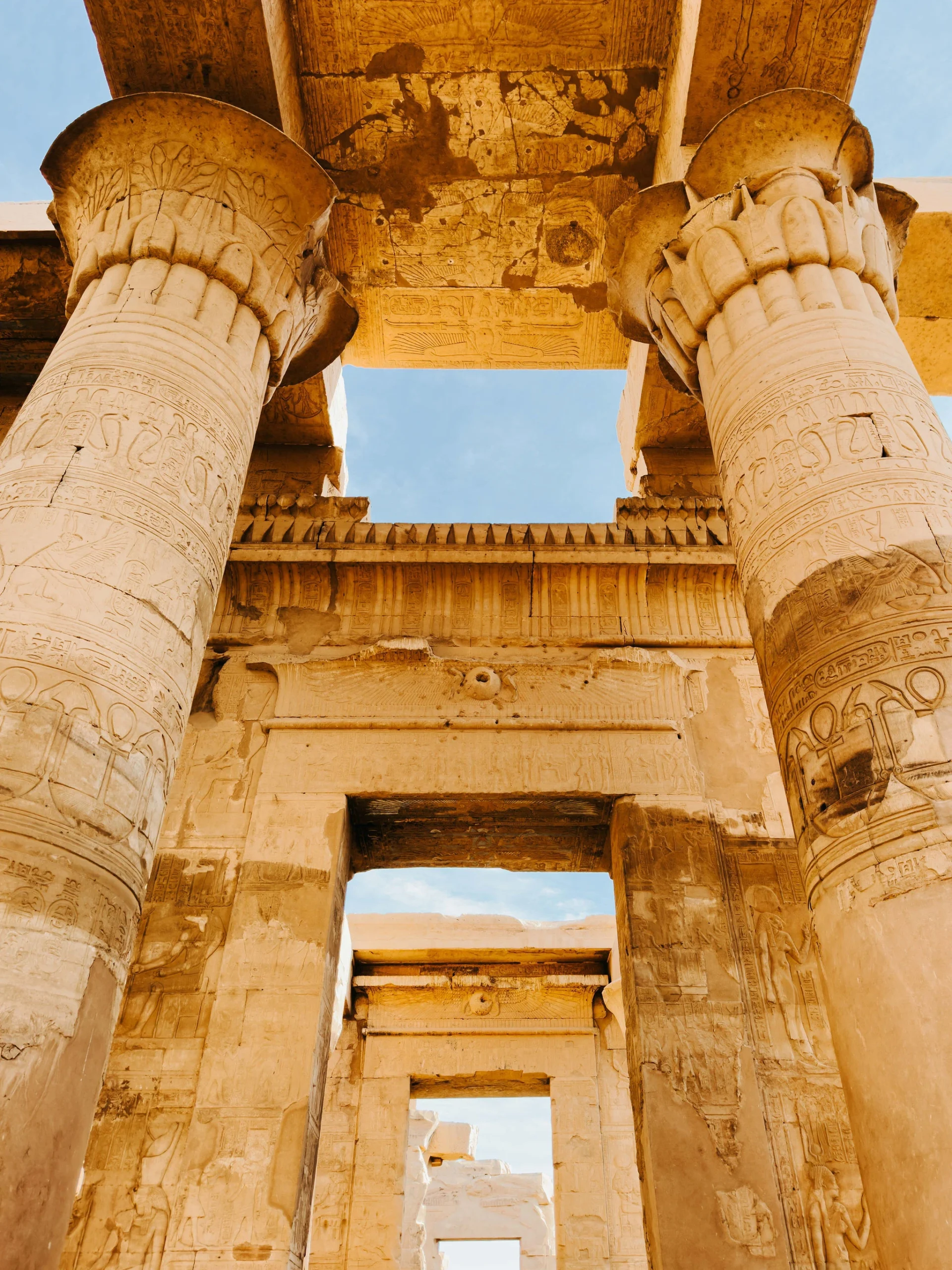
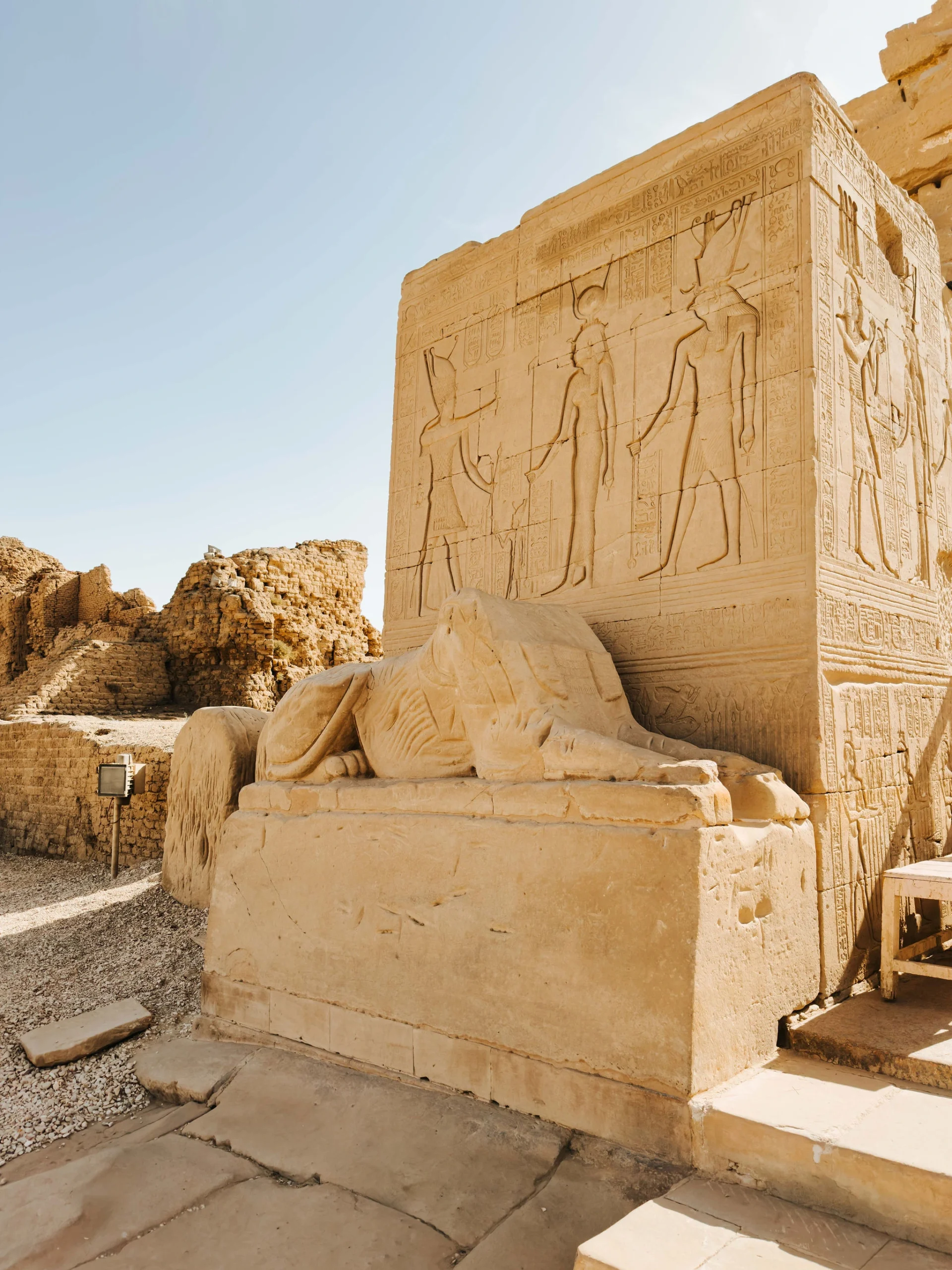
The magnificent Edfu Temple is one of the best-preserved temples in all of Egypt. Dedicated to the falcon god Horus, this temple offers visitors a rare opportunity to experience ancient Egyptian architecture almost exactly as it once was.
Built during the Ptolemaic period, Edfu Temple retains its original structure, including towering pylons, massive courtyards, and intricately carved walls.
At the entrance, visitors are greeted by a colossal statue of Horus, symbolizing protection and divine power. Inside, the temple reveals detailed carvings that depict the eternal battle between Horus and Seth, representing the struggle between order and chaos.
The preservation of Edfu Temple allows travelers to fully appreciate the scale and detail of ancient construction techniques. Every wall, column, and chamber is covered with hieroglyphs that provide insight into rituals, myths, and daily religious practices.
Edfu is often included in Nile cruise itineraries, making it a perfect stop between Luxor and Aswan.
For those seeking a complete and immersive historical experience, Edfu Temple is an essential destination that brings ancient mythology to life.
The ancient necropolis of Saqqara is home to one of the most important milestones in human history: the Step Pyramid of Djoser. This revolutionary structure marks the transition from traditional burial methods to the iconic pyramids that define Egypt.
Designed by the genius architect Imhotep, the Step Pyramid is considered the world’s first large-scale stone building. Its unique stepped design represents an early attempt to reach the heavens, symbolizing the pharaoh’s journey to the afterlife.
Saqqara is not just about one pyramid. It is a vast burial complex filled with tombs, temples, and monuments that span thousands of years of Egyptian history.
Visitors can explore richly decorated tombs featuring scenes of daily life, offering a rare glimpse into ancient Egyptian society beyond the royal court.
Located near Cairo, Saqqara is an essential stop for those interested in Cairo tours and the origins of pyramid construction.
It provides a deeper understanding of how ancient Egyptians evolved their architectural techniques and spiritual beliefs, ultimately leading to the construction of the Great Pyramids of Giza.